
Beyond Bonjour: Regional French Expressions Across France
Every French learner knows bonjour [hello], bonsoir [good evening], and merci [thank you]. These phrases are useful,…


UK 0330 460 95 64 Ireland 01 574 7871

UK 0330 460 95 64
Ireland 01 574 7871

Every French learner knows bonjour [hello], bonsoir [good evening], and merci [thank you]. These phrases are useful,…

Business meetings in France have a distinct rhythm. They are structured, formal, and intellectually driven. Ideas are…
Are you looking for the best French classes in London? In this guide, we’ll explore four of…

Sean Hopwood, MBA is the founder and President of Day Translations, Day Interpreting, and Day Impact. He…

If you ask a cinephile about their favourite film directors, you will surely get at least one…

Italian vs French… What a formidable battle! Being the language geeks that we are, there’s no more…
There are many reasons why learning French today is a brilliant idea. From communicating with family abroad to broadening your professional horizons, you won’t regret your decision! Explore some of the reasons below why learning French is the perfect choice for you.
While learning French is, of course, essential for careers like interpretation, language teaching, or translation, being fluent in this fascinating language will give your CV a boost regardless of the field you are working in. For example, total trade in goods and services between the UK and France reached £102.5 billion in the four quarters to the end of Q2 2025. France was also the UK’s 5th largest trading partner, accounting for 5.5% of total UK trade, which means being fluent in French can open countless business opportunities. Plus, many companies like Givenchy or Renault have subsidiaries in the UK and value fluency in French when hiring new talent.
Want to feel more confident using French at work? Read our complete phrase guide for speaking French in business meetings and learn useful expressions for introductions, updates, opinions, questions, and professional discussions.

The Eurobarometer Report 2020 shows that around 25 million people living in France are fluent in English. This means that, if you have family in France, chances are you can communicate using English.
But even if they do, speaking their native language will help you connect with your French family on a whole new level. Plus, acquiring French will be taken as a sign of goodwill and respect, which is great if you want to impress your in-laws, for example.
Learning French to a fluent level will also open up study opportunities abroad, at world-class institutions such as La Sorbonne or ESSEC, which are ranked among the best universities in Europe and in the world. Moreover, learners with a high level of French are eligible for scholarships to enrol on graduate and postgraduate courses in France. Being a student in France has a great number of benefits, such as working part-time, being able to apply for a housing subsidy, pay low monthly rent and access free public transport.
Take into account that, to be accepted into one of these establishments, you’ll need to prepare for a French language entrance test. If you need help to get ready for this important examination and improve your skills, you can always contact us. One of our expert native teachers will prepare a personalised programme just for you!

Learning a different language is also an amazing way of opening up to new cultures and enjoying your trips on a whole new level. France, with over 40 UNESCO World Heritage Sites, is one of the most visited places in the world and receives over 85 million tourists a year. Learn French and discover these landmarks without any type of language restriction!
Additionally, fluency in French will give you access to many other French-speaking countries, such as:

Château in the Loire Valley

Mont Saint Michel

Avenue des Champs- Élysées in Paris

Lavender Fields in Provence

The French Riviera
And many others! Marvel at the beauty of Grote Markt, in Belgium, enjoy the spectacular beaches in Madagascar, or explore the Old Quarter in Luxembourg City and never worry again about not understanding what locals are saying!

Belgium

Canada

Luxembourg

Madagascar

Monaco

Seychelles

Togo
Advancing in your career or travelling the world are not the only reasons why studying French is a great idea. Maybe you’d like to learn just for the fun of it, and this is a great idea! French has many aspects that can pose a good challenge to English speakers, namely:
”I would highly recommend Language Trainers to anyone wanting to learn another language. They are extremely professional and have lived up to everything they promised. I am especially satisfied with my instructor. She is a native French speaker, very knowledgeable, and a pleasure to work with. I look forward to my lesson each week.”
Cathy Tamraz - French course in London
Now that you are convinced that you should start learning French today, you need to choose whether you want to learn with an expert tutor or if you can manage to do it alone. In case you are a beginner and don’t know where to start or if you are an advanced learner who needs to polish certain aspects of your competence, choosing a native tutor is your best choice. Let’s take a look at some other benefits of studying French with a teacher.
Wondering whether studying alone or with fellow students is the best option? Well, both of them are similar because you’ll be guided by an expert teacher to reach fluency in the most engaging manner. But these two ways of learning suit different requirements and you should take them into account before starting. Explore the main benefits and drawbacks of group and individual French lessons below!
| Individual lessons | Group lessons | |
|---|---|---|
| Type of Interaction | Just 2 people | More varied conversation |
| Personalised Instruction & Feedback | Complete | Partial |
| Control over the schedule | Complete | Partial |
| Learn from peers | No | Yes |
| Intercultural exchange | Depends on the teacher | Yes |
| Cost | More expensive | More affordable |
| Real-life communication | Not always | More likely |
If you have decided that taking lessons is too much for you at the moment, luckily, you have the option to learn French for free using an array of online resources. They are so varied you can choose the ones you need to advance your skills and, of course, the resources you like the most. Here we have compiled the top resources and apps so you can learn French for free today!

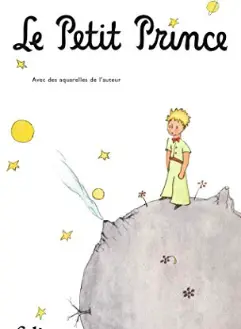 Le Petit Prince by Antoine de Saint-Exupéry.
 Le Voyage de Babar by Jean de Brunhoff.
 Les Fourmis by Bernard Werber.
 Madame Bovary by Gustave Flaubert.
 La Peste by Albert Camus
 Vingt Mille Lieues Sous Les Mers by Jules Verne
Sounding natural when speaking in a foreign language is one of the most challenging aspects of becoming fluent in French. You may know a lot of vocabulary, verb conjugations and grammar rules but then you may go to a café, ask for a coffee, and nobody understands what you are saying. While this is extremely frustrating, there’s a solution! Take a look at our tips and soon you’ll sound not only intelligible but also completely fluent when speaking in French.
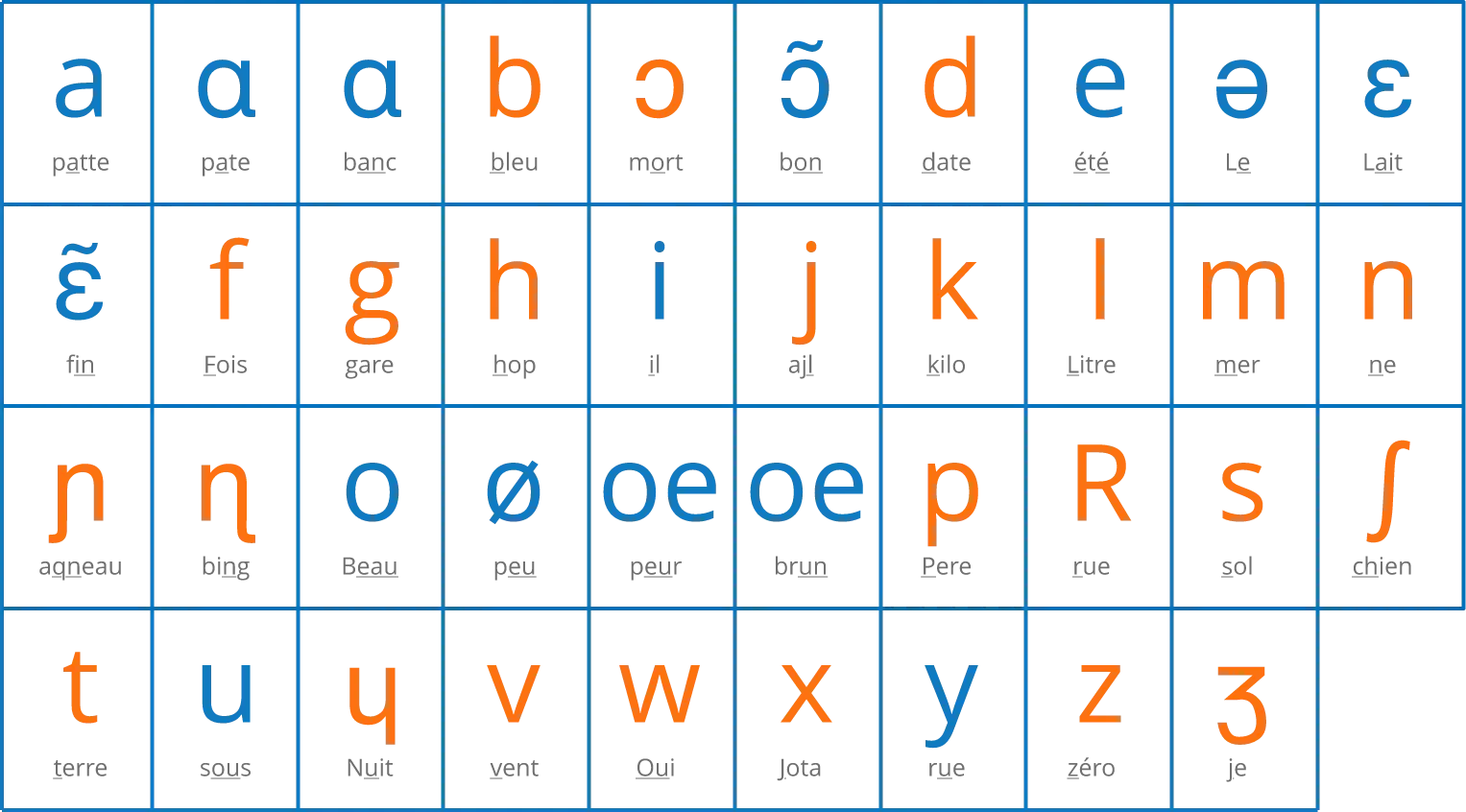
This may seem obvious, but when learning vocabulary, try to acquire written words together with their pronunciation. Written and spoken French are like two different languages, so, if you never listen to how new words are produced, you won’t be able to use them in conversation later. Pronunciation dictionaries like Forvo can be of great help when you come across a new term but have no idea how it is pronounced. Learning the basics of the International Phonetic Alphabet is also useful.
As you already know, French is spoken in many parts of the world and all of these dialects are different (although intelligible). It’s not the same to learn French from France as French from Canada or from Switzerland. So, if you plan to move to Paris in the near future, the best would be to pick resources that feature French from France and try to model your accent on theirs. Record and listen to yourself to understand how you speak!
Mimicking a foreign accent can sound funny and even ridiculous. But don’t let this stop you! Nobody will be listening except you so don’t be shy and exaggerate your French sounds until you sound as accurate as you want.
More resources to improve your French accent:
Memorising new vocabulary items and phrases can be one of the most difficult parts of learning a new language. Just repeating endless lists of words is boring and monotonous, which means that, at some point, you may just stop trying. The good news is that you don’t have to reach this point. There are dozens of techniques and approaches that can help you learn French in the most effective and engaging way possible. Let’s take a look at some of them!
Many words in French share the same root, which makes it easier to acquire terms in the same family if you know one of them already. For example, “écrire” means to write, while “écrivain” means writer and l’écriture means writing. If you use flashcards to acquire all these terms together, you’ll be increasing your French vocabulary exponentially and their meanings will stick more clearly in your memory.
Ever since the Norman Conquest of the 11th century, English and French have been closely related. This relationship gave rise to a great number of cognates, that is, words that are very similar in spelling and/or pronunciation and also in meaning.



But be careful with false cognates! Chair doesn’t mean an object to sit on, but human flesh and excité is entirely different from being excited. Find more information in our article about false cognates and how to avoid them!
Supporting your language lessons in any way you can is always a clever idea. Even if you only have a few spare minutes to dedicate to studying French, there are many options you can use, even for free! For example, apps like Duolingo or Drops have bite-sized lessons for beginner and intermediate-level students to learn and practise new vocabulary in the most engaging way. Using Quizlet’s ready-made flashcard decks to test your memory is another great option.
Maybe using flashcards or apps is not your thing, and that’s OK. There are dozens of ways you can try to learn French vocabulary, such as memorising lists of words, coming up with mnemonics, learning phrases instead of isolated words, making associations with your native language and more!
Imagine you are moving to Paris soon and would like to meet new people and make friends. But, though you’ve learned French grammar, vocabulary and certain skills on your own, you realise you know nothing about the French people. What do they like? What type of food do they usually eat? How do you address someone you don’t know (and not offend them)? Are there any topics they would consider offensive if you mentioned them?
No matter how many formal aspects of the language you know, soon you’ll realise that culture is also crucial for successful communication. Here are some articles you can read to learn more about these essential traditions:
What are you waiting for to start enjoying all the benefits of being bilingual in French? Contact us today and start acquiring French in the most engaging manner with professional, native-speaking instructors. Soon, you’ll be communicating with native and non-native French speakers all over the world.