When you first learn Japanese, you’re usually taught that katakana is the writing system used for foreign words. That’s a useful starting point, especially when you encounter familiar vocabulary like コンビニ (konbini) [convenience store]. But as you explore Japanese beyond your textbook, you’ll discover katakana in some unexpected places. You might see ドキドキ (doki-doki) [the sound or feeling of a pounding heart] in a manga, or サムライ (samurai) in an advertisement celebrating Japanese culture.
These examples reveal something fascinating about modern Japanese. Katakana allows speakers to incorporate words from other languages, adapt them to Japanese pronunciation, give them new meanings, and even create entirely new expressions. It also gives writers a way to make familiar Japanese words stand out or present them in a different cultural context.
As a Japanese teacher, I enjoy showing students how much they can discover by paying attention to katakana in everyday life. Restaurant menus, product packaging, advertisements, and manga all contain examples that tell us something about the language and the culture behind it. Once you start recognising these patterns, katakana becomes much more than another set of characters to memorise.
→Sign Up Now: Free Trial Japanese Lesson With a Native Teacher!←
What Is Katakana Used for in Japanese?
Katakana is one of the two kana syllabaries in the Japanese writing system, alongside hiragana. Both represent the same basic set of Japanese sounds, but they serve different functions in modern writing. While hiragana commonly appears in grammatical endings and native Japanese words, katakana is particularly associated with loanwords, foreign names, and certain expressive or specialised uses.
You can recognise katakana by its relatively straight lines and angular shapes. Compare the hiragana か (ka) with its katakana equivalent カ, or せ (se) with セ. Learning to recognise these characters is essential because katakana appears throughout contemporary Japanese.
Its best-known function is writing foreign-derived vocabulary, but I always encourage my students to look beyond that familiar explanation. Katakana also has several other important uses:
- Foreign names and places: ジョージ (Jōji) [George], マリア (Maria), and ニューヨーク (Nyūyōku) [New York].
- Onomatopoeia and sound-symbolic expressions: ドキドキ describes a pounding heart, ザーザー (zā-zā) represents the sound of heavy rain, and キラキラ (kira-kira) evokes something sparkling or glittering.
- Animal and plant names: サル (saru) [monkey], ネコ (neko) [cat], and バラ (bara) [rose]. Katakana is particularly common for these names in scientific writing and field guides.
- Sound effects: ドン (don) represents a loud impact or bang, while ガチャ (gacha) can evoke a mechanical clattering or clicking sound.
- Advertising and visual emphasis: Brands, product names, and advertisements sometimes use katakana to attract attention or create a particular impression.
One of my favourite ways to introduce these uses is through manga. Even students who have only recently learned katakana can identify individual characters in a dramatic sound effect or recognise a familiar expression. The visual context helps them understand what the writing is communicating, and they begin to see how the script works beyond vocabulary exercises.
The choice of script can also change how a word looks and feels to the reader. A familiar Japanese word written in katakana may stand out from the surrounding text or acquire a particular stylistic effect. Later, we’ll explore how these choices can even reflect the way Japanese culture is presented to an international audience.
Why Was Katakana Originally Created?
Katakana has a much longer history than its modern association with foreign vocabulary might suggest. It developed during Japan’s Heian period (794–1185), when scholars and Buddhist monks used elements of Chinese characters to annotate texts written in classical Chinese.
Chinese writing played an important role in Japanese scholarship, government, and religious study. Reading these texts according to Japanese grammar required annotations indicating pronunciation and word order. Over time, abbreviated parts of kanji developed into the distinctive katakana characters we recognise today.
Hiragana also emerged from Chinese characters during this period, although its flowing shapes developed from cursive forms rather than the abbreviated components used for katakana. The two scripts gradually acquired different conventions and functions.
For much of its history, katakana was associated with scholarly and formal contexts. It also appeared in official documents and, much later, telegrams. Its widespread modern use for Western loanwords developed as Japan’s contact with other countries brought increasing amounts of foreign vocabulary into the language.
I find this history particularly interesting because it shows how the functions of a writing system can evolve. Katakana began as a practical tool for reading Chinese texts and eventually became one of the most visible ways Japanese represents its encounters with languages and cultures from around the world.
What Are Gairaigo (Japanese Loanwords)?
One of katakana’s most important functions is writing 外来語 (gairaigo), the Japanese term for vocabulary borrowed from foreign languages.
You’ve probably encountered many gairaigo already, even if you’ve only studied Japanese for a short time. Words such as コーヒー (kōhī) [coffee], テレビ (terebi) [television], and ケーキ (kēki) [cake] are so common that you’ll hear them in ordinary conversations and find them on menus, signs, and advertisements throughout Japan.
These words have become part of Japanese vocabulary. Speakers use them according to Japanese pronunciation and grammatical conventions, just as they would any other Japanese word. For example, you can combine a loanword with a Japanese verb to make an everyday expression such as テレビを見る (terebi o miru) [to watch television].
Their meanings can also evolve after entering the language. A borrowed word might refer to something more specific than its original equivalent, acquire an additional meaning, or become part of a new expression created by Japanese speakers.
Although katakana is the usual script for modern foreign loanwords, some older borrowings have established spellings in hiragana or kanji. パン (pan) [bread], which entered Japanese through Portuguese, is one familiar example that you may encounter in katakana or hiragana.
What I encourage students to remember is that gairaigo should be learned as Japanese vocabulary. Recognising the source language can help you remember a word, but becoming comfortable with its Japanese pronunciation and everyday usage will help you understand it in conversation.
How Foreign Words Change When They Enter Japanese
One reason Japanese loanwords can be surprisingly difficult for learners is that foreign words are adapted to the sound patterns of Japanese.
Japanese is organised around rhythmic units called morae. Most basic Japanese syllables follow a consonant-vowel pattern, although the language also has independent vowels, a moraic nasal, and consonant length represented by a small ッ.
When Japanese borrows a word containing consonant combinations or final consonants that don’t fit these patterns, additional vowels or other sound adjustments may be necessary.
Take クリスマス (Kurisumasu) [Christmas], for example. The English word begins with a consonant combination and ends in a consonant, while the Japanese version includes additional vowel sounds that allow it to fit Japanese pronunciation.
Long vowels are another important feature. Two examples I often use with my students are コーヒー (kōhī) [coffee] and ケーキ (kēki) [cake]. Both contain the long-vowel mark ー, which indicates that the preceding vowel is held for an additional beat. In コーヒー, both vowel sounds are long, giving the word a distinctly Japanese rhythm.
Then there’s the small ッ, which indicates a consonant held for an extra beat. You can hear this distinction in words such as ベッド (beddo) [bed] and バッグ (baggu) [bag]. The brief closure before the following consonant is part of Japanese pronunciation and helps establish the word’s rhythm.
Other borrowed words undergo more noticeable changes. コンピューター (konpyūtā) [computer] is a useful example because its additional vowels, long sounds, and Japanese rhythm make it sound quite different from the English original.
In my experience teaching Japanese, students often recognise these words immediately in writing but need a little more time to understand them in conversation. I encourage them to listen for recurring pronunciation patterns rather than mentally reconstructing the original English word. With regular listening practice, these adjustments become familiar, and recognising Japanese loanwords gradually becomes much more automatic.
How to Pronounce Katakana Words in Japanese
Learning to pronounce katakana words naturally begins with understanding Japanese rhythm. Each mora receives a place in the word, so paying attention to vowel length, consonant length, and the timing of individual sounds makes a noticeable difference.
Consider ベッド (beddo) [bed]. The small ッ represents a brief closure before the d sound. Rather than adding another vowel, you hold the consonant momentarily. Compare this with ベト (beto), where the consonant is not doubled. Practicing the contrast helps you recognise what the small ッ contributes to pronunciation.
Long vowels deserve equal attention. In ケーキ (kēki) [cake], the first vowel lasts for two morae. Try saying the word slowly while giving that long vowel its full duration, then gradually increase your speed without shortening it.
It’s also useful to practise words that have undergone more substantial adaptation. With コンピューター, listen to a native speaker and pay attention to how the word is divided rhythmically. Rather than attempting to recreate the English pronunciation of computer, imitate the Japanese sounds and timing you actually hear.
Here’s a simple exercise I recommend:
- Choose three familiar katakana words with different pronunciation features, such as a long vowel, a small ッ, and an inserted vowel.
- Listen to recordings of native Japanese speakers pronouncing each word, paying attention to the duration of individual sounds.
- Repeat the words aloud while maintaining the same rhythm.
- Record yourself and compare your pronunciation with the original, concentrating on one feature at a time.
Once you’re comfortable pronouncing individual words, practise them in complete expressions. For example, you might say 新しいバッグを買いました。(Atarashii baggu o kaimashita.) [I bought a new bag.] This helps you incorporate borrowed vocabulary into natural Japanese speech instead of treating each word as an isolated pronunciation exercise.
I also encourage students to listen to katakana vocabulary in conversations, advertisements, and videos. The more often you hear these words used naturally, the less you’ll need to think about their foreign origins or work out their pronunciation character by character. Eventually, you’ll recognise and produce them as familiar Japanese words.
Japanese Loanwords That Don’t Come From English
Japanese has borrowed vocabulary from Portuguese, Dutch, German, French, and many other languages throughout its history. These loanwords reflect centuries of trade, education, cultural exchange, and international contact. Many have become such familiar parts of everyday Japanese that speakers rarely think about their foreign origins. Some have even developed meanings or associations that are distinctly Japanese.
Portuguese was one of the earliest European languages to influence Japanese vocabulary, following the arrival of Portuguese traders and missionaries in the 16th century. Two familiar examples are パン (pan) [bread], derived from Portuguese pão, and カステラ (kasutera) [sponge cake], whose name is associated with the Portuguese name for Castile. Today, castella is a popular Japanese confection, available in varieties that reflect centuries of adaptation to local tastes.
Dutch also left its mark on Japanese. During the Edo period, the Dutch maintained a trading relationship with Japan, introducing goods and knowledge that contributed to the Japanese language. Two surviving examples are コーヒー (kōhī) [coffee], from Dutch koffie, and ランドセル (randoseru) [school backpack], derived from Dutch ransel. The latter is particularly interesting because it now refers to the distinctive structured backpacks traditionally carried by Japanese elementary school students.
Other European languages contributed vocabulary associated with work, education, art, and food. Here are four examples I often introduce to my students:
- アルバイト (arubaito) [part-time job] comes from German Arbeit, meaning “work.” It’s widely used by students and other people discussing part-time employment.
- リュック (ryukku) [backpack] comes from the German Rucksack, through the longer Japanese form リュックサック (ryukkusakku).
- アトリエ (atorie) [artist’s studio] comes from French atelier and is commonly associated with creative work.
- シェフ (shefu) [chef] comes from French and is frequently used in Japanese culinary contexts.
I particularly enjoy using these Japanese loanwords to show students how vocabulary can preserve traces of cultural exchange. A word that originally referred to a European military bag, for example, can eventually become associated with one of the most recognisable objects in Japanese school life.
You’ll also notice that foreign origin doesn’t always determine how a word is written. Some established borrowings, such as パン, can occasionally appear in hiragana as ぱん, usually for stylistic reasons. Their spelling reflects Japanese writing conventions as well as their etymology.
Why Some Japanese Loanwords Have Different Meanings in English
Japanese loanwords sometimes develop meanings that differ from those of their English or European originals. This process, known as semantic change, occurs as borrowed vocabulary becomes established in Japanese and adapts to the situations in which speakers use it. As a result, a familiar-looking katakana word may have a narrower, broader, or entirely different everyday meaning from its source-language equivalent.
I’ve noticed that these words can be particularly confusing for English-speaking students. Recognising a familiar English word often gives learners confidence, but they may assume its Japanese equivalent carries exactly the same meaning.
For example, if a Japanese friend tells you that someone has high テンション (tenshon), they’re probably commenting on that person’s excitement or energy rather than describing stress. Interpreting the word through its English meaning could lead you to misunderstand the entire conversation.
I encourage students to learn these expressions through Japanese examples and pay attention to how native speakers actually use them. Their foreign origins can provide useful memory aids, but their meanings should be understood within Japanese.
Four Japanese Loanwords That Can Confuse English Speakers
The following four katakana words illustrate how borrowed vocabulary can acquire different meanings and associations in Japanese.
- テンション (Tenshon) – Mood or energy level
テンション frequently describes someone’s mood, excitement, or energy level. Unlike the English word tension, which primarily suggests stress or strain, the Japanese expression commonly appears in positive descriptions of enthusiastic or energetic behavior.
For example, 今日はテンションが高いですね。(Kyō wa tenshon ga takai desu ne.) [You’re full of energy today!] might be said to someone who seems particularly cheerful.
You’ll also hear テンションが低い (tenshon ga hikui) [to have low energy or enthusiasm]. Learning these complete expressions helps you recognise the word’s everyday meaning.
- スマート (Sumāto) – Slim, stylish, or sophisticated
スマート can describe someone who is slim, stylish, or sophisticated. It can also refer to an efficient or polished way of handling a situation.
For example, スマートな人 (sumāto na hito) may describe someone with a slim appearance or an elegant manner, depending on the context.
The English word smart often refers to intelligence, so it’s worth paying attention to the noun being described and the surrounding conversation.
- ナイーブ (Naību) – Sensitive or delicate
ナイーブ commonly describes someone who is emotionally sensitive, delicate, or easily affected by particular situations.
In English, naive usually suggests a lack of experience or judgment. The Japanese expression can carry a more sympathetic meaning, particularly when referring to someone’s feelings or personality.
For instance, describing someone as ナイーブな人 (naību na hito) may suggest that they’re particularly sensitive rather than inexperienced or easily deceived.
- シビア (Shibia) – Strict, demanding, or difficult
シビア often describes demanding situations, strict assessments, difficult conditions, or circumstances that require a realistic approach.
You might encounter シビアな条件 (shibia na jōken) [demanding conditions] in a professional discussion or hear someone describe a particularly difficult situation as シビア.
Although its meaning overlaps with the English word severe, the Japanese expression has its own established range of everyday uses.
When teaching these words, I encourage students to collect complete expressions rather than memorise isolated translations. Learning テンション alongside テンションが高い, for example, makes it much easier to understand how the word functions naturally in conversation.
What Is Wasei-Eigo in Japanese?
Wasei-eigo (和製英語) refers to Japanese expressions created from English or English-derived elements that have developed distinctly Japanese meanings or uses. These expressions may combine English words, shorten longer phrases, or give familiar vocabulary new functions. They are common in everyday Japanese, particularly in areas such as employment, housing, shopping, and technology, and their meanings aren’t always immediately obvious to English speakers.
The term literally means “Japanese-made English,” and it illustrates how creatively Japanese speakers adapt foreign-language material to their own communication needs.
Some wasei-eigo expressions combine elements that wouldn’t ordinarily appear together in English. Others are based on recognisable English words but have acquired meanings that are specific to Japanese usage. The boundaries between these categories and other types of loanwords can sometimes overlap.
I remember one English-speaking student who was particularly amused when we came across マンション (manshon) [apartment building]. They immediately pictured an enormous house with a swimming pool and several bedrooms, so they were surprised when I explained that someone saying they lived in a マンション could simply mean they lived in an ordinary apartment. We ended up comparing several English-derived Japanese expressions, imagining the misunderstandings they might cause in everyday conversations. By the end of the exercise, the student was looking for more examples to test their assumptions. It’s exactly this kind of discovery that makes wasei-eigo so enjoyable to teach: familiar words suddenly reveal something unexpected about how Japanese works.
Common Wasei-Eigo Examples in Japanese
Wasei-eigo appears throughout Japanese daily life. Three especially useful examples are サラリーマン, マンション, and イートイン, which relate to employment, housing, and dining, respectively. Each has recognisable English-derived components, but understanding its Japanese meaning requires familiarity with how the expression is actually used.
サラリーマン (Sarariiman) – Office worker or company employee
サラリーマン combines English-derived elements to create an expression associated with salaried company employment, particularly office work. In everyday Japanese, it often evokes the familiar image of a Japanese company employee rather than simply anyone who receives a salary.
For example, 父はサラリーマンです。(Chichi wa sarariiman desu.) [My father is an office worker.] is a perfectly ordinary Japanese sentence.
The expression also reflects a recognisable aspect of Japanese working culture, making it a useful example of how foreign-language material can acquire local cultural associations.
マンション (Manshon) – Apartment or condominium building
マンション generally refers to a multi-unit residential building or an apartment within one, particularly in Japanese real estate terminology.
In English, a mansion is a large, luxurious private residence. In Japan, however, someone saying マンションを買いました。(Manshon o kaimashita.) [I bought an apartment.] is describing a much more ordinary housing purchase.
You’ll frequently encounter the term in property advertisements, where it may be distinguished from アパート (apāto), another common Japanese housing term.
イートイン (Īto-in) – Eating inside a store or restaurant
イートイン refers to eating on the premises of a shop, café, convenience store, or similar establishment. It’s especially useful to recognise when visiting Japanese bakeries and convenience stores that provide seating areas.
You might see an イートインスペース (īto-in supēsu) [eat-in area] sign or hear the expression used when someone wants to distinguish eating inside an establishment from taking food away.
These examples show how Japanese speakers use English-derived material to describe familiar aspects of everyday life. I encourage students to pay attention to the signs, conversations, and situations in which these expressions appear, since their meanings become much easier to remember when connected to real experiences.
Why Japanese Shortens Foreign Words
Japanese frequently shortens longer foreign-derived words and expressions into convenient everyday forms. This process, often called abbreviation or clipping, may preserve the beginning of a single word or combine shortened parts of several words. The resulting vocabulary follows Japanese pronunciation patterns and can become more common in everyday conversation than the original, longer expression.
One familiar example is コンビニ (konbini) [convenience store], shortened from コンビニエンスストア (konbiniensu sutoa). The abbreviated form is so widely used that it’s the expression you’ll normally hear when someone mentions stopping at a convenience store.
Other common examples include:
- スーパー (Sūpā) [supermarket], shortened from スーパーマーケット (sūpāmāketto).
- パソコン (Pasokon) [personal computer], formed by combining shortened parts of パーソナルコンピューター (pāsonaru konpyūtā).
- リモコン (Rimokon) [remote control], shortened from リモートコントロール (rimōto kontorōru).
These katakana abbreviations demonstrate another way Japanese speakers reshape imported vocabulary. A long foreign-derived phrase becomes a shorter expression that fits naturally into everyday conversations.
Shortening and wasei-eigo sometimes overlap, particularly when abbreviated English-derived elements are combined to create expressions that are distinctive to Japanese. However, shortening specifically refers to reducing the length of an existing word or phrase, while wasei-eigo refers more broadly to English-derived expressions with Japanese-specific formation, meaning, or usage.
When teaching these words, I often encourage students to learn the abbreviated form first if it’s the one they’re most likely to encounter. Recognising パソコン immediately, for example, is far more useful in everyday conversation than having to reconstruct its longer origin every time someone mentions a computer.
Where Can You Find Katakana in Everyday Japanese?
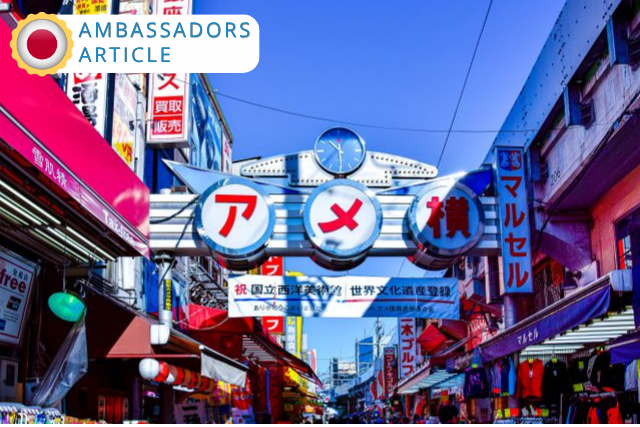
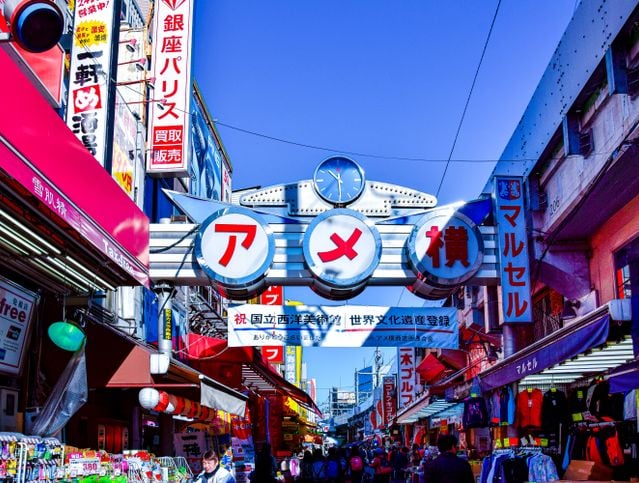
Katakana appears throughout everyday Japanese, particularly in restaurant menus, advertisements, product packaging, shop signs, manga, and digital media. These materials contain foreign loanwords, Japanese-made expressions, names, sound effects, and words written in katakana for stylistic purposes. They also provide accessible opportunities for learners to practice recognising vocabulary in the kinds of situations they’re likely to encounter in Japan.
I particularly recommend starting with materials that match your interests. If you enjoy cooking, Japanese recipes, restaurant menus, and food packaging provide plenty of useful examples. If you’re interested in fashion, you can explore product names, advertisements, and magazine headlines. Manga and anime are especially enjoyable resources for learners who want to see how katakana represents sounds, movement, and emotional reactions.
In my lessons, I sometimes use a short manga scene and ask students to find every instance of katakana. We then consider what each expression represents. Is it a borrowed word, a character’s name, a sound effect, or a familiar Japanese expression written in katakana for emphasis?
Even a simple activity like this helps students understand the script’s different functions while improving their reading skills.
As you become more confident, try observing how katakana appears alongside hiragana and kanji in the same advertisement, product label, or sentence. You’ll gradually start recognising complete words automatically and develop a better understanding of the different roles Japan’s writing systems play in contemporary communication.
Katakana Words on Japanese Menus
Japanese restaurant menus are full of katakana words for foods, drinks, cooking methods, and dishes inspired by international cuisine. Common examples include コーヒー (kōhī) [coffee], ケーキ (kēki) [cake], サラダ (sarada) [salad], and パスタ (pasuta) [pasta]. Learning these expressions can help you recognise familiar ingredients and dishes while developing your katakana reading skills.
You’ll also encounter cooking terms such as グリル (guriru) [grill], ソテー (sotē) [sauté], and フライ (furai) [fried food]. Recognising these words can give you a useful idea of how a dish is prepared, even when you haven’t encountered its complete name before.
Japanese cuisine also offers fascinating examples of how imported dishes are adapted to local tastes. Take ナポリタン (naporitan), a Japanese pasta dish typically prepared with ketchup, onions, peppers, and sausage or ham. Despite its Italian-sounding name, it is a familiar example of Japanese-style Western cuisine, known as yōshoku. Another example is オムライス (omuraisu), which combines an omelet with seasoned rice. These dishes illustrate how Japanese speakers adopt foreign-derived names while developing their own culinary traditions.
I recommend using authentic Japanese menus to practice recognising complete katakana words rather than reading every character individually. Start with familiar drinks and ingredients, then gradually explore dishes whose meanings are less obvious. You’ll discover how common vocabulary appears in different combinations and become more confident ordering food in Japanese.
Katakana in Advertising, Brands, and Product Names
Katakana frequently appears in Japanese advertising, brand names, product packaging, and shop signs. Its angular appearance can help words stand out visually, while foreign-derived vocabulary may suggest modernity, novelty, or international appeal. The effect depends on the product, the audience, and the surrounding design.
One recognisable example is ユニクロ (Yunikuro), the Japanese name of the clothing retailer Uniqlo. Its branding combines katakana and Roman-alphabet versions of the name, allowing the company to present a recognisable identity to both Japanese and international audiences.
Another familiar example is コカ・コーラ (Koka Kōra), the Japanese rendering of Coca-Cola. The name demonstrates how an internationally recognised brand can be represented using Japanese pronunciation and writing conventions.
Katakana is equally common in product descriptions. Browse a Japanese fashion retailer’s website, for instance, and you’ll encounter expressions such as フリース (furīsu) [fleece], カーディガン (kādigan) [cardigan], and ストレッチ (sutoretchi) [stretch]. These words have become familiar parts of Japanese shopping vocabulary.
However, advertising also makes creative use of katakana for words that originated in Japanese. A skincare advertisement might feature キレイ (kirei) [beautiful or clean] instead of the conventional hiragana spelling きれい or the kanji form 綺麗. Choosing katakana can make the expression more visually prominent or create a particular impression within the advertisement.
Research into Japanese advertising and script choice shows that katakana can carry associations with foreignness, sophistication, and modernity, although these associations depend on the context. An advertisement for an international fashion brand may use katakana differently from a traditional Japanese food company.
When I encourage students to examine Japanese advertisements, I ask them to look at the complete design. Which words are written in katakana? Which appear in kanji or hiragana? Are the katakana words foreign-derived, or has the writer chosen the script for stylistic reasons? These questions can reveal how Japanese writing contributes to a brand’s identity and the impression it creates.
Katakana in Japanese Manga and Sound Effects
Katakana is widely used in Japanese manga to represent noises, movements, and sensory experiences. These expressions belong to Japanese sound-symbolic vocabulary, which includes words that imitate actual sounds and others that evoke appearances, physical sensations, or emotional states.
For example, ドンッ (don) can represent a loud impact or sudden bang. The small ッ indicates an abrupt ending, while large, bold lettering can make the sound seem especially dramatic on the page. You might encounter it when a character crashes into something or when an object hits the ground.
Another example is ガチャッ (gacha), which can represent the sound of a door opening, a lock turning, or another mechanical movement. Manga artists often position expressions like this close to the action they describe, helping readers connect the written sound with the illustration.
Japanese sound-symbolic expressions also extend beyond literal noises. キラキラ (kira-kira), for instance, describes something sparkling or glittering. You might see it surrounding a character’s eyes, a piece of jewelry, or an object presented as particularly beautiful.
The visual presentation of these expressions is part of their appeal. Large, angular characters may accompany a dramatic impact, while smaller lettering scattered across a panel can evoke a delicate or continuous effect. The words themselves, their position, and the surrounding artwork work together to communicate the scene.
I particularly enjoy using manga in my lessons because students can discover these meanings through context. I’ll sometimes show them a short scene and ask them to identify every katakana expression. We then discuss whether each one represents a sound, movement, appearance, or emotional reaction.
For learners who already enjoy reading manga or watching anime online, this is an excellent opportunity to practise reading with material they find genuinely interesting.
Katakana in Technology, Fashion, and Social Media
Katakana is widely used in Japanese vocabulary associated with technology, fashion, entertainment, and digital communication. As new products and services become part of everyday life, Japanese speakers adopt foreign-derived terminology, adapt its pronunciation, and often shorten longer expressions.
In technology, a familiar example is スマホ (sumaho) [smartphone], shortened from スマートフォン (sumātofon). Other useful expressions include アプリ (apuri) [app], アカウント (akaunto) [account], and ダウンロード (daunrōdo) [download]. These established words appear regularly in conversations, advertisements, and the interfaces of Japanese websites and apps.
Fashion offers equally useful examples. Browse a Japanese clothing website or fashion magazine and you’ll encounter ワンピース (wanpīsu) [dress], スニーカー (sunīkā) [sneakers], and コーデ (kōde), an abbreviation of コーディネート (kōdinēto) [outfit coordination or styling]. A fashion influencer might use コーデ to describe how different garments have been combined into an outfit.
Social media provides another interesting example of how borrowed vocabulary becomes part of ordinary Japanese. Terms such as フォロー (forō) [follow] and コメント (komento) [comment] combine naturally with Japanese grammatical structures. For instance, コメントする (komento suru) means [to comment], using an English-derived noun with the Japanese verb する [to do].
I encourage students to pay attention to these combinations when browsing Japanese social media. You’ll soon discover that many katakana words function as completely ordinary Japanese vocabulary, appearing alongside native Japanese words and grammatical structures in everyday conversations.
Why Are Japanese Words Sometimes Written in Katakana?
Japanese words are sometimes written in katakana to create visual emphasis, distinguish technical terminology, or give an expression a particular stylistic effect. Although katakana is strongly associated with foreign loanwords, writers can also choose it for native Japanese words that would ordinarily appear in hiragana or kanji.
Animal and plant names provide familiar examples. The Japanese word for cat can be written as 猫 (neko), ねこ, or ネコ, depending on the context. All three forms represent the same word, but their appearance and conventional uses differ.
猫 – Kanji: The conventional written form commonly used in everyday Japanese.
ねこ – Hiragana: Often creates a softer or more informal visual impression, depending on the context.
ネコ – Katakana: Common in scientific naming and other specialised contexts, as well as in advertising and stylistic writing.
The same principle applies to サル (saru) [monkey] and バラ (bara) [rose]. Katakana is particularly common for animal and plant names in field guides and scientific writing, where consistent presentation makes these terms easy to identify.
Katakana also appears in sound-symbolic expressions such as ドキドキ (doki-doki) [a pounding heart]. In ordinary writing, you may encounter the hiragana spelling どきどき, while a manga artist might choose ドキドキ to emphasise a character’s excitement or nervousness.
These examples demonstrate the flexibility of the Japanese writing system. Understanding why a particular script has been chosen helps learners recognise familiar vocabulary in different contexts and appreciate the stylistic possibilities available to Japanese writers.
What Katakana Reveals About Japanese Culture and Identity
Katakana offers an interesting perspective on Japan’s relationship with international culture. Beyond its everyday use for Japanese loanwords, it can influence how readers perceive a word, suggesting foreignness, modernity, or a connection to an international audience. Sometimes, writers even use katakana to highlight Japanese cultural expressions that have become famous abroad.
The relationship between katakana and Japanese identity has attracted considerable academic attention. In her paper Katakana and Japanese National Identity, linguist Naoko Hosokawa examines how Japanese newspapers and other media used katakana for Japanese names, places, and cultural expressions between 2010 and 2017. She argues that, in certain contexts, this script choice presents familiar Japanese words from an international perspective.
I find this particularly interesting from a teaching perspective. Students usually learn to identify katakana as they read, but exploring why a writer chooses it can reveal another layer of meaning. A familiar word may be presented differently depending on whether the writer wants to emphasise its Japanese origins, its international recognition, or a particular cultural association.
When Japanese Culture Becomes International: Samurai, Anime, and Emoji
Some Japanese words become internationally recognisable as people around the world adopt aspects of Japanese culture. In certain media contexts, writing these words in katakana can emphasise their international identity, even when they originated in Japanese.
Consider 侍 (samurai) [samurai], traditionally written in kanji when referring to the warriors of feudal Japan. You may also encounter サムライ, particularly in sports, advertising, and international contexts.
For example, the nickname Samurai Japan uses the image of the samurai to represent Japanese national teams. Here, the word evokes a recognisable cultural symbol rather than referring literally to a historical warrior.
Other familiar examples include アニメ (anime), マンガ (manga), and エモジ (emoji). The first two are now internationally recognised terms associated with Japanese entertainment, while emoji has become part of everyday digital communication in many languages.
There’s an interesting distinction between these examples. アニメ developed in Japanese from the English word animation, while マンガ and エモジ have Japanese origins and conventional kanji spellings, 漫画 and 絵文字. Their histories differ, but all three demonstrate how vocabulary can move between languages and acquire international recognition.
Hosokawa’s research examines how Japanese media sometimes use katakana to draw attention to this international dimension. One particularly revealing example is the expression 世界のクロサワ (sekai no Kurosawa) [the internationally renowned Kurosawa], referring to film director Akira Kurosawa.
His surname is conventionally written 黒澤 or 黒沢, but the katakana spelling クロサワ appears in certain Japanese media references to his international reputation. Hosokawa interprets this choice as a way of presenting Kurosawa through the recognition he has received outside Japan. Her research identifies comparable uses involving other internationally recognised Japanese artists and cultural figures.
The examples offer an interesting reversal of katakana’s familiar role. The script commonly represents words arriving in Japanese from other languages, but it can also help present Japanese names and cultural expressions that have become recognisable around the world.
How Katakana Can Change the Way Japanese Words Are Perceived
Writing a Japanese word in katakana can influence how readers interpret it, particularly when the conventional spelling is well established. Depending on the context, the change may highlight an international perspective, transform a familiar place or expression into a broader cultural symbol, or make a word stand out visually.
Hosokawa’s research provides several striking examples involving Japanese place names associated with historical tragedies.
Consider 広島 (Hiroshima) and 長崎 (Nagasaki), the cities targeted by atomic bombs in 1945. In ordinary Japanese writing, their names generally appear in kanji. However, Hosokawa found examples of Japanese media using ヒロシマ and ナガサキ when discussing the international significance of the atomic bombings.
In these contexts, she argues, the katakana spellings can evoke the cities’ historical experiences and their significance to people around the world, rather than referring exclusively to geographical locations.
A similar phenomenon appears with 福島 (Fukushima), which is sometimes written フクシマ in discussions of the 2011 nuclear disaster and its international implications. Again, the script choice can encourage readers to interpret the name as a reference to a historical event and its consequences.
Katakana can also highlight internationally recognised aspects of Japanese culture in much more positive circumstances.
One example is おもてなし (omotenashi) [Japanese hospitality], which is sometimes written オモテナシ. The expression attracted considerable international attention during Tokyo’s successful bid to host the 2020 Olympic Games.
Hosokawa examines media examples in which オモテナシ appears in connection with international visitors and the presentation of Japanese hospitality to overseas audiences. In these contexts, she interprets the katakana spelling as emphasising an aspect of Japanese culture that has become internationally recognised.
These are contextual interpretations of particular media examples. A place name or cultural expression doesn’t automatically acquire an international meaning whenever it appears in katakana. However, the examples demonstrate how script choice can contribute to the message a writer wants to communicate.
Why Japanese Attitudes Towards Katakana Are Not Always the Same
Japanese attitudes towards katakana and foreign loanwords vary according to the situation, the vocabulary being used, and the people involved. In some contexts, katakana expressions can suggest international sophistication or familiarity with contemporary trends. In others, an excessive use of foreign-derived terminology may be perceived as unnecessary, confusing, or pretentious.
This contrast is particularly noticeable in discussions about professional vocabulary.
Imagine a business meeting in which someone repeatedly uses terms such as アジェンダ (ajenda) [agenda], コンセンサス (konsensasu) [consensus], and コミットメント (komittomento) [commitment]. These expressions are used in Japanese professional settings, but their suitability depends on the audience and the situation.
For employees accustomed to international business terminology, they may be perfectly familiar. Someone less accustomed to the vocabulary, however, might prefer a more accessible Japanese expression.
Research discussed in the British Association for Japanese Studies article What Katakana Reveals About Japanese Society explores this social dimension. Linguist Wesley Robertson examined online discussions in which participants evaluated the people who used or avoided katakana loanwords.
His findings show how debates about vocabulary can become discussions about social identity, with participants associating language choices with perceived attitudes towards international culture, professional status, or generational differences.
These associations are neither universal nor necessarily fair. Someone may use numerous loanwords because they’re conventional in their profession, while another person may prefer established Japanese vocabulary simply because it’s clearer for their intended audience.
When teaching modern Japanese, I encourage students to pay attention to the situations in which particular expressions appear. Understanding a katakana word’s dictionary meaning is useful, but recognising whether it sounds natural in an everyday conversation, a business meeting, or an advertisement is another important part of developing fluency.
Common Katakana Mistakes Japanese Learners Make
Learning katakana involves more than memorising its characters. As students begin recognising Japanese loanwords and encountering the script in authentic materials, they often discover that pronunciation, meaning, and spelling conventions can be surprisingly different from what they initially expected.
Here are some common mistakes I encourage my students to watch out for.
- Assuming every katakana word comes from English. Japanese has borrowed vocabulary from numerous languages, including Portuguese, Dutch, German, and French. For example, アルバイト (arubaito) [part-time job] comes from German, while アトリエ (atorie) [artist’s studio] comes from French. Recognising these different origins can help you understand unfamiliar vocabulary and appreciate the history behind everyday Japanese expressions.
- Pronouncing Japanese loanwords exactly like their English originals. Foreign-derived vocabulary follows Japanese pronunciation conventions, including mora timing, long vowels, and consonant length. A word such as グラス (gurasu) [drinking glass] includes vowel sounds that aren’t present in the English pronunciation of glass. I recommend listening to native speakers and practicing the Japanese form rather than relying exclusively on how the original word sounds.
- Assuming familiar-looking words have familiar meanings. Some Japanese loanwords develop meanings that differ considerably from their English equivalents. For instance, スマート (sumāto) can describe someone who is slim or stylish, while マンション (manshon) generally refers to an apartment or condominium building. Learning these expressions through complete Japanese sentences helps you recognise how they’re actually used.
- Confusing similar-looking katakana characters. Characters such as ツ (tsu) and シ (shi), or ソ (so) and ン (n), are particularly easy to mix up when you’re learning to read and write katakana. I encourage students to practice these pairs together, paying attention to the direction and placement of their strokes. Writing the characters while saying their sounds aloud can also help you remember the differences.
- Overlooking shortened katakana words. Japanese speakers frequently abbreviate borrowed expressions, so the vocabulary you encounter in conversation may look quite different from its original form. For example, デパート (depāto) [department store] is shortened from デパートメントストア (depātomento sutoa). Learning common abbreviations alongside their longer forms can make everyday conversations much easier to follow.
- Assuming every word written in katakana must be foreign. Native Japanese vocabulary may also appear in katakana for scientific, stylistic, or expressive purposes. For example, イヌ (inu) [dog] and トリ (tori) [bird] are often written in katakana in scientific contexts, while ワクワク (waku-waku) [excitement or eager anticipation] may appear in manga and other expressive writing.
As students become more comfortable with these distinctions, I gradually encourage them to recognise complete katakana words rather than decode individual characters. Familiarity with their pronunciation, meaning, and everyday usage makes reading much more automatic, while exposure to different contexts helps learners appreciate the flexibility of the Japanese writing system.
How to Teach Reading Katakana in Real Japanese
Teaching students to read katakana effectively involves a gradual progression from recognising individual characters to identifying complete words automatically. I begin with illustrated charts and pronunciation practice, then introduce familiar vocabulary before moving on to authentic Japanese materials. This approach helps students develop both reading fluency and an understanding of how katakana is used in everyday life.
Step 1: Teach Katakana Characters and Their Sounds
I usually begin with illustrated katakana charts that connect each character to its corresponding sound. I encourage students to write the characters while pronouncing them aloud, so they’re developing their writing, reading, and pronunciation skills together.
Some characters deserve particular attention because their shapes are so similar. ツ (tsu) and シ (shi), for example, can be difficult to distinguish at first, as can ソ (so) and ン (n). I introduce these characters in pairs, drawing attention to the direction and placement of their strokes and giving students opportunities to practise identifying them in unfamiliar words.
Once students can recognise the basic characters, we introduce the long-vowel mark ー and the small ッ, using short examples to demonstrate how they affect Japanese pronunciation.
Step 2: Help Students Recognise Common Katakana Words Automatically
The next step is to move from reading individual characters to recognising complete words. I begin with familiar everyday vocabulary, such as テレビ (terebi) [television], カメラ (kamera) [camera], and コンビニ (konbini) [convenience store].
At first, students might read カメラ character by character: カ・メ・ラ. With repeated exposure, however, they begin to recognise the complete word immediately, without consciously identifying each individual sound.
I use short reading exercises that present familiar vocabulary in different combinations and situations. Students might encounter the same word in a sentence, a product description, and an advertisement, gradually building their ability to recognise it at a glance.
The goal is to make katakana reading increasingly automatic, allowing learners to concentrate on understanding the message rather than decoding every character.
Step 3: Use Menus, Packaging, and Advertisements
Once students are comfortable with common katakana vocabulary, I introduce authentic materials such as restaurant menus, supermarket packaging, and train advertisements. These offer opportunities to recognise words in the contexts where Japanese speakers actually encounter them.
I might give students a Japanese menu and ask them to identify familiar ingredients or find a particular dish. With product packaging, we can look at the names of everyday items and discuss how foreign-derived vocabulary has been adapted to Japanese.
I also encourage students to keep a record of interesting katakana words they discover outside their lessons. They can note each word’s meaning, practise its pronunciation, and investigate its foreign-language origins when relevant.
Advertising provides an additional challenge because students may encounter familiar Japanese words written in katakana for stylistic reasons. Discussing these choices helps them develop a more flexible understanding of the script.
Step 4: Use Manga and Other Authentic Japanese Materials
Manga is one of my favourite resources for helping students recognise the different functions of katakana. The illustrations provide valuable context, allowing learners to connect written expressions with the actions, sounds, and emotions they represent.
I sometimes show students a short manga scene and ask them to find every instance of katakana. We then examine each expression and discuss whether it represents a loanword, a character’s name, a sound effect, or a Japanese word written in katakana for emphasis.
For example, students might encounter バタン (batan), representing the sound of a door slamming, or ニコニコ (niko-niko), describing someone smiling cheerfully. Working out their meanings from the illustrations can be an enjoyable way to develop reading comprehension.
With more advanced students, I gradually introduce advertisements, online discussions, and news headlines. These materials offer opportunities to explore how writers use katakana to attract attention, establish a particular tone, or emphasise the international recognition of familiar Japanese words.
By this stage, students are doing much more than reading individual characters. They’re learning to recognise vocabulary automatically, interpret unfamiliar expressions from context, and understand the creative choices behind written Japanese.
Learn Modern Japanese With a Native Teacher
Learning katakana opens the door to a much wider understanding of contemporary Japanese. As we’ve seen, recognising the characters is only the beginning. Understanding why a word is written in katakana, how its pronunciation has changed, and what it means in a particular situation helps you communicate more naturally and confidently.
In my personalised Japanese lessons, I use authentic materials to introduce students to the Japanese they’ll encounter outside their textbooks. We might explore a restaurant menu, examine the vocabulary used in an advertisement, or read a short manga scene together. These activities give students opportunities to practise their pronunciation, expand their vocabulary, and discover cultural meanings that aren’t always obvious from dictionary definitions.
I also believe that learning is more enjoyable when lessons respond to each student’s progress and interests. Some learners need additional practice distinguishing similar-looking characters, while others are ready to explore contemporary expressions and more complex reading materials. Working with a teacher who can adjust the pace and focus of your lessons makes the experience both productive and rewarding.
Paul Counter, who began a face-to-face Japanese course in London alongside his wife, particularly appreciated this personalised approach:
“The lessons with Karen are going very well. She’s very responsive to how my wife and I are progressing, so the pace and focus are just right for us. She’s also very friendly, and we’ve already made good progress together.”
Katakana is a wonderful example of how language learning connects pronunciation, vocabulary, reading, and culture. As you become more familiar with its many uses, you’ll discover how Japanese continues to absorb international influences while reshaping them into something distinctly its own.
If you’re ready to take your Japanese further, contact Language Trainers and tell us about your learning goals. We’ll help you find a native Japanese teacher for personalised, one-to-one lessons tailored to your interests, schedule, and current level.
→Sign Up Now: Free Trial Japanese Lesson With a Native Teacher!←
FAQs About Japanese Katakana and Loanwords
1. What Is Katakana Mainly Used for in Japanese?
Katakana is mainly used to write Japanese loanwords (gairaigo), foreign names, technical terminology, and sound effects. You’ll also encounter it in scientific names for animals and plants, advertisements, product names, and manga. Writers sometimes use katakana for native Japanese words to create emphasis, visual contrast, or a particular stylistic effect.
2. Are All Katakana Words Borrowed From English?
No. Japanese has borrowed vocabulary from numerous languages, including Portuguese, Dutch, German, and French. For example, パン (pan) [bread] comes from Portuguese, while アルバイト (arubaito) [part-time job] comes from German. Some katakana expressions are native Japanese words, such as キラキラ (kira-kira) [sparkling] and ネコ (neko) [cat].
3. What Is the Difference Between Gairaigo and Wasei-Eigo?
Gairaigo (外来語) refers to vocabulary borrowed from foreign languages and incorporated into Japanese, such as カメラ (kamera) [camera]. Wasei-eigo (和製英語) refers to expressions developed in Japan using English or English-derived elements, often with meanings or uses that differ from English. For example, サラリーマン (sarariiman) commonly refers to a salaried office worker, while イートイン (īto-in) is used for eating inside a shop or restaurant.
4. Why Do Some Japanese Loanwords Have Different Meanings in English?
Japanese loanwords can develop new meanings as they become established in everyday Japanese. This process is known as semantic change. For example, テンション (tenshon) commonly refers to someone’s mood or energy level, while the English word tension primarily suggests stress or strain. Learning loanwords through complete Japanese sentences helps you understand their actual meanings and avoid relying too heavily on their foreign origins.
5. Why Are Some Native Japanese Words Written in Katakana?
Native Japanese words may be written in katakana for emphasis, stylistic contrast, scientific naming conventions, or advertising. For example, 猫 (neko) [cat] is commonly written in kanji, but ネコ frequently appears in biological texts and other specialised contexts. Writers may also choose katakana to make a familiar expression stand out visually or create a particular impression.
6. How Can I Improve My Katakana Reading and Pronunciation?
Start with illustrated katakana charts, writing each character while saying its sound aloud. Pay particular attention to similar-looking characters such as ツ (tsu) and シ (shi), then practise recognising complete words rather than reading one character at a time. Once you’re comfortable with familiar vocabulary, use restaurant menus, advertisements, product packaging, and manga to develop reading fluency. Listening to native speakers will also help you master long vowels, the small ッ, and natural Japanese pronunciation.