
World Cup Etiquette Guide for Fans Travelling to Canada and the U.S.
 Posted by
 The FIFA World Cup 2026 will run from June 11 to July 19, 2026, and it will be the first edition of the tournament hosted by three countries: Canada, Mexico, and the United States. It will also be the first men’s World Cup with 48 teams, which means more matches, more travelling supporters, and a much wider mix of languages, accents, and football cultures moving through North America at the same time.
For many international fans, the English-speaking part of this World Cup will feel different from a normal football trip. Canada and the U.S. will not require the same kind of phrase-list preparation as Mexico for most readers of this guide. Most fans who are reading this guide already understand enough English to book hotels, read signs, or ask basic questions. The real challenge is cultural. Match days in Toronto, Vancouver, Los Angeles, New York/New Jersey, Dallas, Miami, Seattle, and other host cities will involve local stadium rules, North American crowd management, strict entry procedures, public transport patterns, alcohol laws, cashless payments, and sports traditions that may feel unfamiliar to fans from Europe, South America, Asia, Africa, or Australia.
This World Cup English guide focuses on that cultural layer. It explains how English works in Canadian and U.S. match-day settings, how local fans and staff communicate, what visitors should expect at stadiums, and which habits from other football cultures may need adjusting. The goal is not to teach basic phrases like “Where is the stadium?” The goal is to help travelling supporters understand how World Cup travel will actually feel in Canada and the United States.
→Sign Up Now: Free Trial English Lesson With a Native Teacher!←
World Cup Travel in Canada: English, Etiquette, and Local Sports Culture
Canada will play a historic role in the 2026 FIFA World Cup. Toronto will host the first-ever men’s FIFA World Cup match on Canadian soil on June 12, 2026, when Canada plays Bosnia and Herzegovina. The city will host six matches in total, ending with a Round of 32 match on July 2. Vancouver will host seven matches at BC Place, including Canada’s group-stage matches on June 18 and June 24, plus knockout matches in the Round of 32 and Round of 16.
For international fans, Canada will offer a World Cup experience built around multicultural cities, public transport, clear venue procedures, and a crowd style that mixes football excitement with local expectations around order and personal space. Toronto and Vancouver are both major Canadian host cities, but they will not feel the same. Toronto will bring a dense, urban, transit-heavy match-day rhythm, while Vancouver will bring a more scenic downtown stadium experience shaped by water, mountains, walking routes, and public transport.
This section explains what travelling fans should expect in Canada before match day, inside the stadium, and around the host cities. The focus is not basic English. The focus is how English works in real Canadian service settings, how stadium etiquette differs from other football cultures, and how visitors should prepare for two host cities with very different personalities.
Why Canadian Stadium Culture Feels More Organised Than Chaotic
Canadian World Cup match days will probably feel energetic, international, and loud, but the basic movement around the stadium is likely to feel more controlled than chaotic. Toronto Stadium will host six matches, while BC Place in Vancouver will host seven matches, so both Canadian host cities will need to move large crowds through urban stadium areas with strict entry procedures and clear crowd routes.
The first cultural point to understand is that Canadian stadium behaviour tends to be procedure-driven. Fans are expected to queue, follow staff directions, respect assigned seating, and move through security checks without turning every delay into an argument. This does not mean Canadian crowds are quiet. It means the crowd energy usually sits inside a strong framework of rules, signs, staff instructions, and venue policies.
That matters before you even reach your seat. BMO Field in Toronto already uses a restricted bag policy, with clear size rules for permitted bags and a warning that bags outside the policy will not be allowed inside. BC Place in Vancouver uses metal detectors and secondary screening when needed. For World Cup fans, the practical lesson is simple: stadium entry in Canada is not the place to improvise with a large backpack, argue over a bag rule, or assume that staff will make exceptions because the match is about to start.
Toronto and Vancouver add another layer because both stadiums sit in cities where public transport, walking routes, queues, and crowd control matter. Toronto’s World Cup planning already encourages fans to use expanded public transit, with parking around the downtown stadium area restricted. That detail is important for visitors who are used to driving directly to stadiums or arriving late by taxi. In Toronto, the smarter match-day rhythm will likely be earlier arrival, public transport, walking, and patience around controlled access points.
A good Canada-specific rule is to treat stadium instructions as part of the event, not as an obstacle to the event. When staff ask fans to move to another gate, open a bag, show a ticket again, clear an aisle, or keep walking through a crowded area, the expected response is quick cooperation. Canadian match-day culture gives fans plenty of room to celebrate, chant, and enjoy the football, but it gives much less room to challenge basic venue procedures.
How to Navigate Canada’s Multilingual Match-Day Environment
Canada is officially bilingual, with English and French having equal status in federal institutions, which is one reason many visitors choose to learn French in Canada as part of a longer trip. That national fact matters because visitors will see bilingual language in some official contexts, especially in airports, federal services, and national communications. In practical World Cup settings in Toronto and Vancouver, English will be the main language for hotels, transport, restaurants, stadium staff, signs, and everyday service interactions.
That does not mean the English around you will sound uniform. Toronto and Vancouver are two of Canada’s most multilingual cities. Toronto is often described as one of the most multicultural cities in the world, and Statistics Canada reported that more than half of the city’s residents belonged to visible minority groups in 2021.
For World Cup travellers, this means “Canadian English” at the tournament will not be one single accent. A hotel receptionist, taxi driver, restaurant worker, volunteer, stadium steward, and local fan may all speak English fluently, but with very different accents and speech rhythms. Visitors may hear Canadian English mixed with Spanish, Portuguese, Mandarin, Punjabi, Tagalog, Arabic, Italian, French, Korean, Ukrainian, and many other languages in the same match-day area.
This is especially useful for fans from countries where English is learned as a second language. Toronto and Vancouver are used to international communication. People are generally familiar with different English levels and different accents. Clear, direct English usually works better than trying to sound overly local. For example, “Which gate should I use?” is more useful than a long explanation about your ticket problem. “Could you repeat that more slowly, please?” is normal in a multilingual crowd and does not sound strange.
The main cultural mistake would be assuming that bilingual Canada means French will be useful everywhere in the same way. French has a central place in Canadian identity and federal life, but Toronto and Vancouver are not French-speaking cities in the way Montreal or Quebec City are. A few French phrases may be appreciated in some national contexts, but English will do the practical work for most World Cup visitors in these two host cities.
A better way to understand Canada during the World Cup is this: the country is officially bilingual, the host cities are deeply multilingual, and the stadium experience will mostly operate in English. That combination makes Canada easier to navigate than many visitors expect, but it also means fans should be ready to hear many kinds of English in one place.
Canadian Sports Etiquette: What International Football Fans Should Know
Canadian sports crowds are passionate, but the public style is usually more restrained than what many football fans know from Europe or South America. Fans chant, celebrate, complain, wear colours, and enjoy the match, but Canadian stadium culture still places strong value on personal space, assigned seating, clear aisles, and quick cooperation with staff. That difference matters at a World Cup, where local expectations and global football habits will meet in the same stands.
The first rule is to respect the seat printed on the ticket. In some football cultures, fans move around, stand in groups, or treat a section as flexible once the match begins. Canadian venues work differently. Your row, seat, gate, and section are part of the crowd-control system, not just booking information. Sitting in the wrong place, standing in an aisle, or blocking stairs is likely to bring a quick instruction from staff, especially because Toronto Stadium is being expanded to 45,736 seats for the tournament and crowd movement will be tightly managed.
Filming is another area where international fans should adjust. Recording a goal celebration or taking photos before kick-off is normal, but holding a phone above your head for long periods will annoy the people behind you. Canadian sports spectators tend to be direct about blocked views, especially when they have paid for assigned seats. A short video is fine. Turning the match into a full-screen recording session is poor etiquette.
Chants need the same awareness. Loud support, national colours, drums where permitted, and emotional reactions are part of the World Cup atmosphere. Aggressive chants aimed at families, individual fans, staff, or national identity will land badly in Canada. Toronto and Vancouver are highly multicultural cities, so many people in the stadium may have personal connections to several countries at once. Support your team loudly, but keep banter focused on the match, the players, and the result rather than ethnicity, immigration, religion, or personal insults.
Alcohol rules deserve special attention because Canada is not a place where fans should assume they can drink anywhere before or after a match. Toronto allows alcohol in selected parks under its Alcohol in Parks Program, but only in participating parks, during park hours, and for people aged 19 or older. Vancouver has approved alcohol consumption at selected beaches, but the rule is location-specific, not a general permission to drink in any public space. World Cup visitors should treat outdoor drinking as something controlled by local signs and local rules, not as a normal street habit.
The safest cultural formula for Canadian match days is controlled enthusiasm. Wear the shirt, sing for your team, celebrate goals, and enjoy the crowd. At the same time, keep exits clear, follow the seat number, listen to stewards, avoid public drunkenness, and remember that people around you may expect a little more distance than in a packed terrace-style football culture.
Toronto vs Vancouver: Two Different World Cup City Experiences
Toronto and Vancouver will both host World Cup matches in Canada, but the two cities will not give fans the same experience. Toronto will feel faster, denser, louder, and more urban. Vancouver will feel more scenic, outdoorsy, and shaped by mountains, water, bridges, and neighbourhoods spread around the waterfront. Treating both cities as “Canada” in a general way would miss the practical differences that affect match days.
Toronto is the more intense city experience. It is Canada’s largest city and one of the most multicultural urban centres in the world. For the World Cup, Toronto is presenting itself as “the world in a city,” with more than half of the population foreign-born and more than 200 languages spoken, according to recent reporting on the city’s tournament preparations. That means the match-day atmosphere will probably feel international even before fans reach the stadium. Restaurants, hotel lobbies, transit stations, and fan areas will already feel like meeting points for many communities.
Toronto will also be strongly transit-focused during the tournament. The city is encouraging fans to use expanded public transport, while parking near the downtown stadium area will be restricted. That matters because some visitors may expect the North American sports experience to mean driving to the stadium. Toronto’s World Cup rhythm will likely be different: subway, streetcar, regional rail, walking routes, queues, and controlled approaches to the stadium.
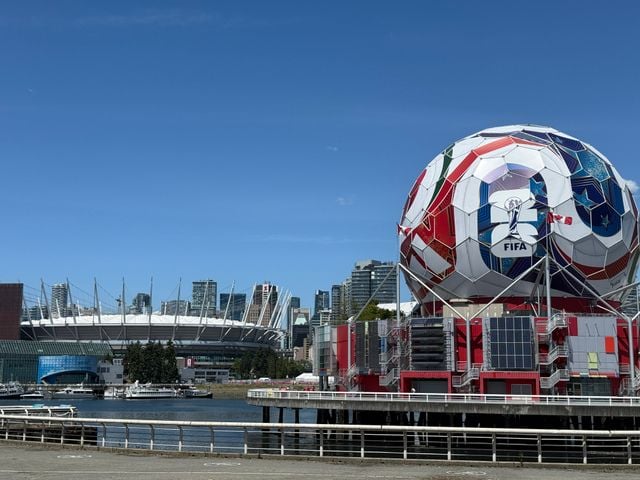
Vancouver will feel different from the moment visitors look at the map. BC Place is in downtown Vancouver, close to hotels, transit hubs, waterfront areas, and major visitor zones. Vancouver’s official World Cup guidance says public transit will be the best way to reach matches, with extra service planned, while walking is a strong option for fans staying downtown. TransLink says transit hours will be extended by two hours or more beyond match end times to help people leave BC Place and the FIFA Fan Festival Vancouver.
The biggest Vancouver difference is geography. The city is beautiful, but water, bridges, mountains, and neighbourhood layout affect travel more than visitors may expect. A place that looks close on a map may involve a bridge crossing, a transfer, a hill, or a longer waterfront route. Vancouver rewards planning around transit and walking, especially for fans staying downtown. Toronto rewards planning around crowd density and urban transit pressure.
The mood will differ too. Toronto’s World Cup experience will likely feel like a huge city absorbing the tournament into its existing speed, diversity, and downtown movement. Vancouver’s experience will likely feel more scenic and visitor-friendly, with the stadium sitting inside a compact downtown environment but the wider city shaped by outdoor culture, coastal views, and slower travel between some areas.
For international fans, the practical lesson is simple. Toronto is the place to think about crowds, transit timing, and downtown movement. Vancouver is the place to think about walking routes, transit links, and beautiful scenery. Both cities will host Canadian World Cup matches, but each city will ask visitors to move, plan, and behave in a slightly different way.
World Cup Travel in the U.S.: English, Stadium Rules, and American Sports Culture
The United States will host the largest share of the 2026 FIFA World Cup, with 11 host areas and 78 matches, including the final at New York New Jersey Stadium on July 19, 2026. The U.S. host cities are Atlanta, Boston, Dallas, Houston, Kansas City, Los Angeles, Miami, New York/New Jersey, Philadelphia, San Francisco Bay Area, and Seattle.
For international fans, the U.S. part of the World Cup will feel very different from a traditional football trip. Many matches will take place in huge stadiums built primarily for American football, where the experience is shaped by assigned seating, big screens, security checks, parking lots, concessions, cashless systems, and highly managed crowd movement. The football will be global, but the match-day structure will feel very American.
This section explains what international fans should expect before they arrive at a U.S. stadium. It covers why the venues feel different from European and South American football grounds, how tailgating and fan zones work, and which rules around bags, alcohol, ID, payments, and security may surprise visitors.
Why U.S. Stadiums Feel Different from European and South American Football Grounds
U.S. World Cup stadiums are not traditional football grounds in the European or South American sense. Many are large, multi-purpose venues built for the National Football League, which means they were designed around American football crowds, wide concourses, big video boards, large concession areas, corporate suites, controlled entry points, and parking infrastructure. The atmosphere will become football-focused during the World Cup, but the building itself will still feel like a major American sports venue.
That difference matters from the moment fans arrive. In many football cultures, the emotional build-up happens in streets, bars, terraces, and supporter sections close to the ground. In the U.S., the event often starts earlier and feels more managed. Fans may pass through large parking areas, security zones, sponsor areas, food stands, merchandise points, and digital ticket checks before they reach the seat. The stadium is not just where the match happens. The stadium is part of a wider event system.
Assigned seating is another key difference. Some international fans are used to more flexible movement inside football grounds, especially in sections where groups stand together. U.S. venues are stricter about seats, aisles, stairways, and section access. Your ticket section, row, and seat are not just recommendations. Staff may ask fans to move quickly when they block stairs, stand in the wrong place, or gather in areas that need to stay clear for safety.
The names of stadiums may create confusion too. FIFA uses tournament-approved venue names rather than many corporate stadium names during the World Cup. AT&T Stadium, for example, appears as Dallas Stadium in FIFA venue listings, while MetLife Stadium appears as New York New Jersey Stadium. FIFA’s venue page lists names such as Atlanta Stadium, Boston Stadium, Dallas Stadium, Los Angeles Stadium, Miami Stadium, and New York New Jersey Stadium.
That naming issue matters in real life. A local taxi driver, hotel receptionist, or sports fan may naturally say “MetLife,” “SoFi,” “Gillette,” or “AT&T,” while your FIFA ticket or tournament information may show a different name. International fans should check both names before travelling to a match. The FIFA name helps with official information. The local name may help with maps, rideshare apps, casual directions, and conversations with people who know the stadium from NFL games, concerts, or local events.
Tailgating, Fan Zones, and the American Way of Turning Sport into an Event
Tailgating is one of the most specific American sports traditions international fans may encounter during the World Cup. In the U.S., tailgating means gathering in stadium parking lots before a game, often with food, drinks, music, folding chairs, grills, flags, jerseys, and groups of fans turning the hours before kick-off into a social event. The tradition comes mostly from American football culture, but it may shape the mood around some World Cup venues too.
Tailgating is not the same as simply drinking in the street before a match. It is usually tied to parking lots, cars, booked spaces, venue rules, and local regulations. Some stadiums allow tailgating in specific areas. Some limit it. Some events ban it or change the rules because of security, traffic, or tournament operations. For the 2026 World Cup near Boston, AP reported that tailgating will be permitted but limited to 5,000 parking spaces during the tournament.
Fan zones will offer a more accessible option for many visitors. Host cities are preparing public viewing and fan festival areas where supporters will watch matches on large screens, attend events, and gather without needing a stadium ticket. Dallas, for example, will host its FIFA Fan Festival at Fair Park from June 11 to July 19, while the New York/New Jersey area will have fan zones across New York City’s five boroughs and in Harrison, New Jersey.
The cultural point is that the U.S. often turns sport into a full-day entertainment event. Food, music, merchandise, sponsor activations, screens, family areas, and pre-match activities are part of the experience. That may feel exciting for fans who enjoy a festival atmosphere. It may feel unusual for fans who see football culture as more club-centred, street-centred, or supporter-led.
International fans should treat tailgating as something to understand, not something to assume. A World Cup match in the U.S. may have parking-lot celebrations, official fan festivals, city watch parties, sponsor areas, or none of those in the exact place you expected. The safest approach is to check the host city and stadium guidance before match day, then decide whether your pre-match plan is a fan zone, a bar, public transport, a parking-lot gathering, or a direct trip to the stadium.
What International Fans Should Know About Rules, Security, and Alcohol in the U.S.
U.S. stadium logistics may be one of the biggest surprises for international football fans. The rules are often strict, detailed, and enforced at the gate. Staff usually do not treat bag rules, alcohol rules, ID checks, or security screening as flexible suggestions. A fan who brings the wrong bag, arrives without accepted ID for alcohol, or tries to enter with a prohibited item may lose time or be refused entry.
Bag policies are especially important. Many U.S. stadiums follow a clear-bag model, which means visitors are often allowed to bring only transparent bags within specific size limits. SoFi Stadium’s policy says permitted bags should be clear plastic, vinyl, or PVC and no larger than 12 x 6 x 12 inches, which is about 30 x 15 x 30 cm, with small clutch bags allowed up to 4.5 x 6.5 inches, or about 11 x 16 cm. MetLife Stadium follows the NFL clear bag policy and allows clear bags of 12 x 6 x 12 inches or smaller, clear one-gallon freezer bags, roughly 3.8 litres, and small non-clear clutch bags of 4.5 x 6.5 inches or smaller.
Alcohol rules in the U.S. require special attention because the legal drinking age is 21, not 18. International fans who are used to buying beer at 18 or drinking more casually in public spaces should not assume the same rules apply. Stadium staff may ask for valid photo ID, and international visitors should carry a passport or another accepted form of identification when planning to buy alcohol. Being old enough in your home country does not matter inside a U.S. venue.
Payments may feel different too. Many U.S. stadiums have moved heavily toward card and mobile payments, especially at food, drink, and merchandise points. Visitors should not rely on cash alone. A working card, mobile wallet, and charged phone are part of practical match-day preparation in the U.S., especially because tickets, maps, rideshare apps, and stadium information often depend on the phone.
The best rule for U.S. World Cup stadiums is to prepare before leaving the hotel. Take a small approved bag, bring ID, charge your phone, check the official venue guidance, avoid bringing bottles or outside alcohol, and arrive early enough for controlled entry. U.S. stadium staff are used to moving large crowds quickly, but that system works best when fans follow instructions without treating every rule as negotiable.
How Football Fits into a Country of NFL, NBA, MLB, and College Sports
Soccer is growing in the United States, and the 2026 World Cup will arrive at a moment when the sport already has a larger audience than many visitors may expect. Recent CivicScience data reported that 32% of U.S. adults follow Major League Soccer at least a little closely, while 27% follow the National Women’s Soccer League at least a little closely. That does not mean soccer has replaced the country’s biggest domestic sports. It means the World Cup will enter a sports culture still shaped heavily by the NFL, NBA, MLB, college football, and college basketball.
That wider sports culture affects how American fans understand a major event. In the U.S., a big game often means more than the action on the field. Fans expect music, big screens, national anthem ceremonies, food stands, merchandise, sponsor areas, half-time or pre-match entertainment, family activities, and a polished production style. For visitors used to football grounds where the crowd itself creates most of the atmosphere, the American version may feel more produced, more commercial, and more family-oriented.
The national anthem is one of the clearest examples. In U.S. sports, the anthem is a standard pre-game ritual across leagues such as the NFL, NBA, MLB, and college sports. International fans should expect many local spectators to stand, remove hats, face the flag, and stay quiet or sing during the anthem. The World Cup will have its own FIFA match protocol, but the American crowd’s attitude toward anthem moments will come from a much wider domestic sports habit.
Food and merchandise will matter more than some football fans expect. In many U.S. stadiums, buying food, drinks, jerseys, scarves, hats, and event items is a normal part of attending sport. The concourse is part of the experience, not just a place people pass through. That means long food lines, card-only payment points, big branded cups, and people moving in and out of seats during quieter moments may be more common than in football cultures where fans stay fixed in one place for the full match.
The family-friendly side is important too. U.S. sports crowds often include children, casual fans, corporate guests, tourists, and people who attend because the event is big, not because they follow the sport every week. That mix will shape the World Cup atmosphere. There will be serious football supporters, immigrant communities with deep ties to the game, and travelling fans from across the world. There will also be local spectators experiencing a World Cup because it is a once-in-a-generation event in their city.
For international visitors, the key is to understand that the U.S. will not try to recreate a European or South American football atmosphere exactly. The World Cup will bring global football passion into a country where major sport is often built as a full entertainment product. Expect loud support, but also expect screens, sponsors, merchandise, food, security, family groups, anthem rituals, and a stadium experience shaped by decades of NFL, NBA, MLB, and college sports habits.

Get Ready for the World Cup: Take a Language Lesson with a Native Teacher
The 2026 World Cup will bring millions of fans into Mexico, Canada, and the United States, but the best trips are not built on tickets and hotel bookings alone. Language makes the whole experience easier, from asking for help at the airport to chatting with local supporters before kick-off or understanding what stadium staff are asking you to do.
For many travellers, the goal is not to start from zero. Most visitors already understand English but want to speak more confidently in real situations during their stay in Canada or the U.S. Others are English speakers travelling through Canada who would like to take a few personalised French lessons for French-speaking areas, official bilingual settings, or conversations with Canadian locals. Fans heading to Mexico may want Spanish lessons focused on airports, hotels, restaurants, transport, stadiums, emergencies, and football conversations.
Language Trainers offers face-to-face language lessons with native teachers who come to your home, workplace, or another convenient location. Lessons are built around your trip, your level, and the situations you expect to face during the tournament. Instead of memorising random vocabulary, you work on useful conversations, natural pronunciation, and the cultural details that make communication smoother.
A personalised lesson plan might focus on English conversation for travel in Canada and the U.S., French basics for navigating bilingual parts of Canada, or practical Spanish for a stay in Mexico. Your teacher may include roleplays for checking into a hotel, asking for directions, ordering food, dealing with ticket problems, talking to stadium staff, or starting a friendly conversation with local fans.
The World Cup is a rare chance to experience language in action. A few targeted lessons before travelling give you more than useful words. They help you arrive with more confidence, understand local interactions faster, and enjoy the tournament as part of the culture around you, not just as a spectator in the stands.
→Sign Up Now: Free Trial English Lesson With a Native Teacher!←
6 FAQs About World Cup Travel in Canada and the U.S.
1. What should international fans know before travelling to Canada and the U.S. for the World Cup?
International fans travelling to Canada and the U.S. for the 2026 World Cup should prepare for a tournament that runs from June 11 to July 19, 2026, across three host countries, with Canada and the United States hosting matches in large, highly managed stadium environments. The biggest practical differences will involve strict entry rules, digital tickets, assigned seats, security checks, public transport planning, cashless payments, alcohol laws, and local sports customs. The language challenge is usually less about basic English and more about understanding how match days work in North American cities.
2. Is English enough for travelling to World Cup matches in Canada and the United States?
English is enough for most World Cup travel situations in Canada and the United States, especially in hotels, airports, stadiums, restaurants, transport systems, rideshare apps, and fan zones. Canada is officially bilingual, but Toronto and Vancouver will mostly operate in English for everyday visitor services during the tournament. International fans should expect many accents and languages in both countries, especially in multicultural cities such as Toronto, Vancouver, Miami, Los Angeles, New York/New Jersey, and Houston.
3. How is stadium culture different in Canada and the U.S. compared with Europe or South America?
Stadium culture in Canada and the U.S. is usually more structured, rule-based, and event-managed than in many European or South American football settings. Fans should expect assigned seating, controlled entrances, visible security, clear bag rules, food and merchandise areas, family groups, big screens, sponsor activity, and staff who expect quick cooperation. Loud support is welcome, but standing in aisles, blocking views, moving seats, ignoring bag rules, or treating staff instructions as negotiable will usually create problems.
4. What are the most important rules to know before entering a World Cup stadium in the U.S.?
The most important U.S. stadium rules for World Cup fans are to bring a small approved bag, carry valid photo ID, use digital tickets, arrive early for security screening, and avoid bringing bottles, cans, outside alcohol, or prohibited items. Many U.S. stadiums use clear-bag policies, and some venues allow only clear bags up to 12 x 6 x 12 inches plus small clutch bags. Fans should check the official venue policy before leaving the hotel because staff at U.S. stadiums usually enforce entry rules strictly.
5. What should fans know about alcohol, ID checks, and public drinking in Canada and the U.S.?
Fans should know that alcohol rules in Canada and the U.S. are stricter than many visitors expect, especially around age checks and public drinking. In the United States, the minimum legal drinking age is 21, so stadium staff may ask for valid photo ID before selling alcohol. In Ontario and British Columbia, where Toronto and Vancouver are located, the legal drinking age is 19, but public drinking is still controlled by local rules and specific permitted areas. Being old enough in your home country does not matter when buying alcohol in a North American stadium or bar.
6. Are Toronto, Vancouver, and U.S. host cities easy to navigate on match days?
Toronto, Vancouver, and U.S. host cities will be manageable on World Cup match days, but fans should plan routes in advance because traffic, crowd control, security zones, and event transport will shape the experience. Toronto will be dense, urban, and transit-heavy, while Vancouver will be more scenic and walkable downtown but strongly affected by water, bridges, and mountain geography. U.S. host cities vary widely: New York/New Jersey, Boston, and Seattle will feel different from Dallas, Houston, Miami, or Los Angeles, where distance, stadium parking, and rideshare planning may matter more. Match-day navigation will be easiest for fans who check official host-city guidance, leave early, and avoid assuming every North American city works the same way.